
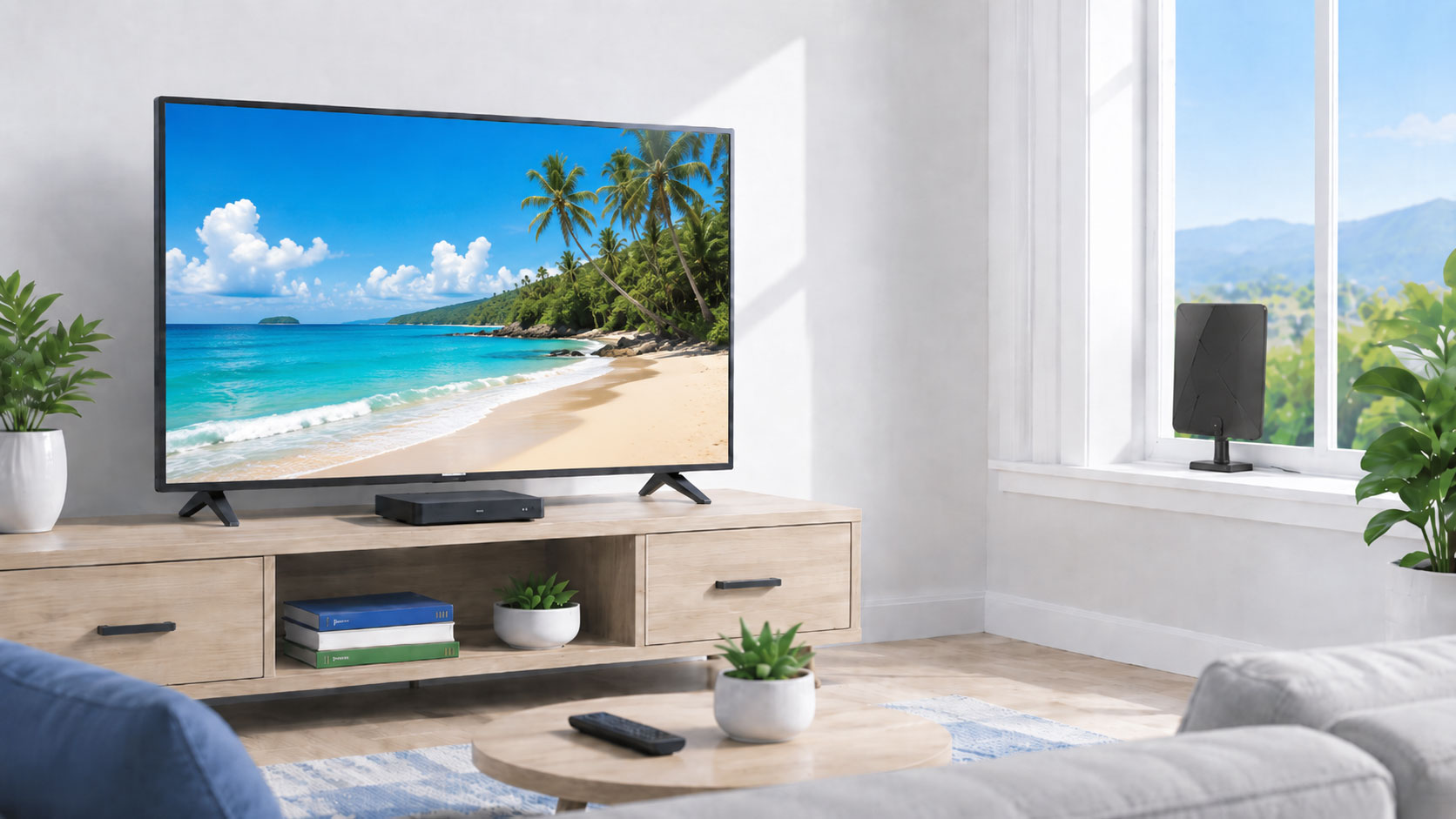
Antenna vs. paid-service coverage
| Often available through an antenna, where reception permits | Usually requires a paid service |
|---|---|
| Local ABC affiliate | ESPN |
| Local CBS affiliate | HGTV |
| Local NBC affiliate | Food Network |
| Local FOX affiliate | CNN |
| PBS | Hallmark Channel |
| The CW or local subchannels, where available | Most regional sports networks |
| Local news broadcasts | Streaming originals |
Reception estimates are not guarantees. Confirm your local channels before relying on antenna coverage.
Should an antenna be part of your cord-cutting setup?
Do you watch local broadcast channels?
If no, focus on streaming services first. If yes, continue.
Are you open to using an indoor or outdoor antenna?
If no, compare live TV streaming services with local channels. If yes, continue.
Check reception estimates for your address.
Reception estimates are not guarantees.
Test antenna placement and channel reliability.
If successful, include an antenna in your CableQuit comparison. If unsuccessful, compare live TV services that may include locals in your area.
CableQuit test scenario: estimate, place, scan, repeat
Scenario reviewed August 20, 2026. Start with the FCC reception map for your exact address and write down the stations you care about, including their direction and estimated signal strength. Treat that list as a planning aid, not a promise. Buildings, trees, hills, roofing materials, and even where the antenna sits in a room can change the result.
Connect the antenna to the television you will actually use, place it as high and unobstructed as practical, and run a fresh channel scan. Watch each must-have station long enough to notice dropouts. Then move or rotate the antenna and scan again. A station that appears once but breaks up during normal viewing should not yet count as reliable coverage.
- Test at more than one time of day when a local station is essential.
- Keep the antenna cable and placement consistent while comparing scans.
- Record which stations are reliable, intermittent, or missing.
- Do not cancel a paid local-channel source until the important stations pass your test.
Indoor, attic, or outdoor placement?
| Placement | Worth trying when | Main tradeoff |
|---|---|---|
| Indoor | Signals are estimated to be stronger and a window or upper-floor location is available. | Simplest installation, but walls and household materials can reduce reception. |
| Attic | Indoor reception is inconsistent and the attic offers a higher, cleaner location. | Cleaner than an exterior mount, but roofing, insulation, ducts, and radiant barriers may weaken signals. |
| Outdoor | Important stations are weaker, farther away, or blocked from indoor locations. | Often offers the clearest placement options, but installation is more involved. |
Not every antenna is suitable for every placement. Follow the product's placement and safety guidance.
What an antenna can and cannot replace
An antenna is primarily a way to receive free over-the-air broadcast television that is available at your location. Depending on reception, that may include local network stations, local news, PBS and additional digital subchannels.
An antenna usually does not provide cable-only networks, most premium programming libraries or regional sports channels. Many cord cutters combine an antenna with selected streaming services rather than expecting one device to replace everything.
Antenna and streaming work better together
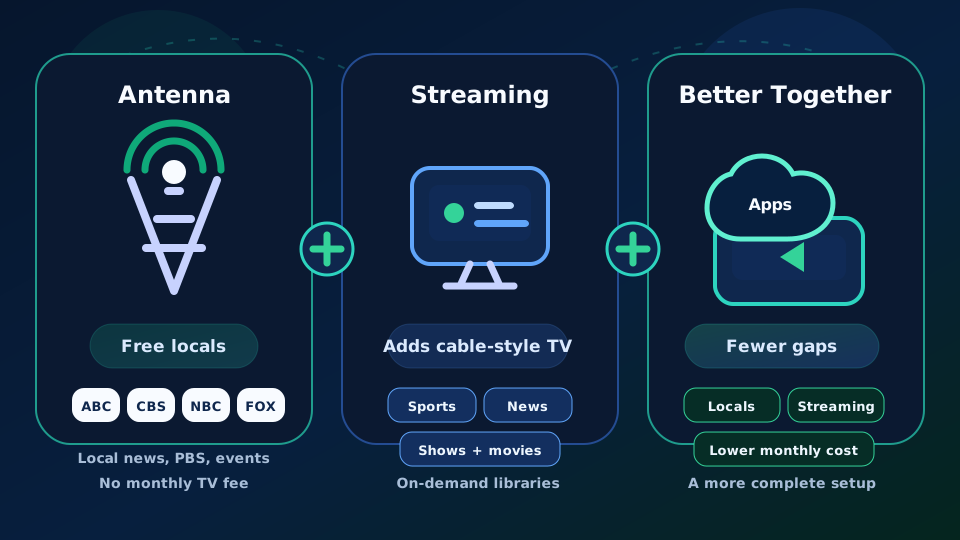
Interested in recording local channels without cable?
Antenna options to compare after testing your address
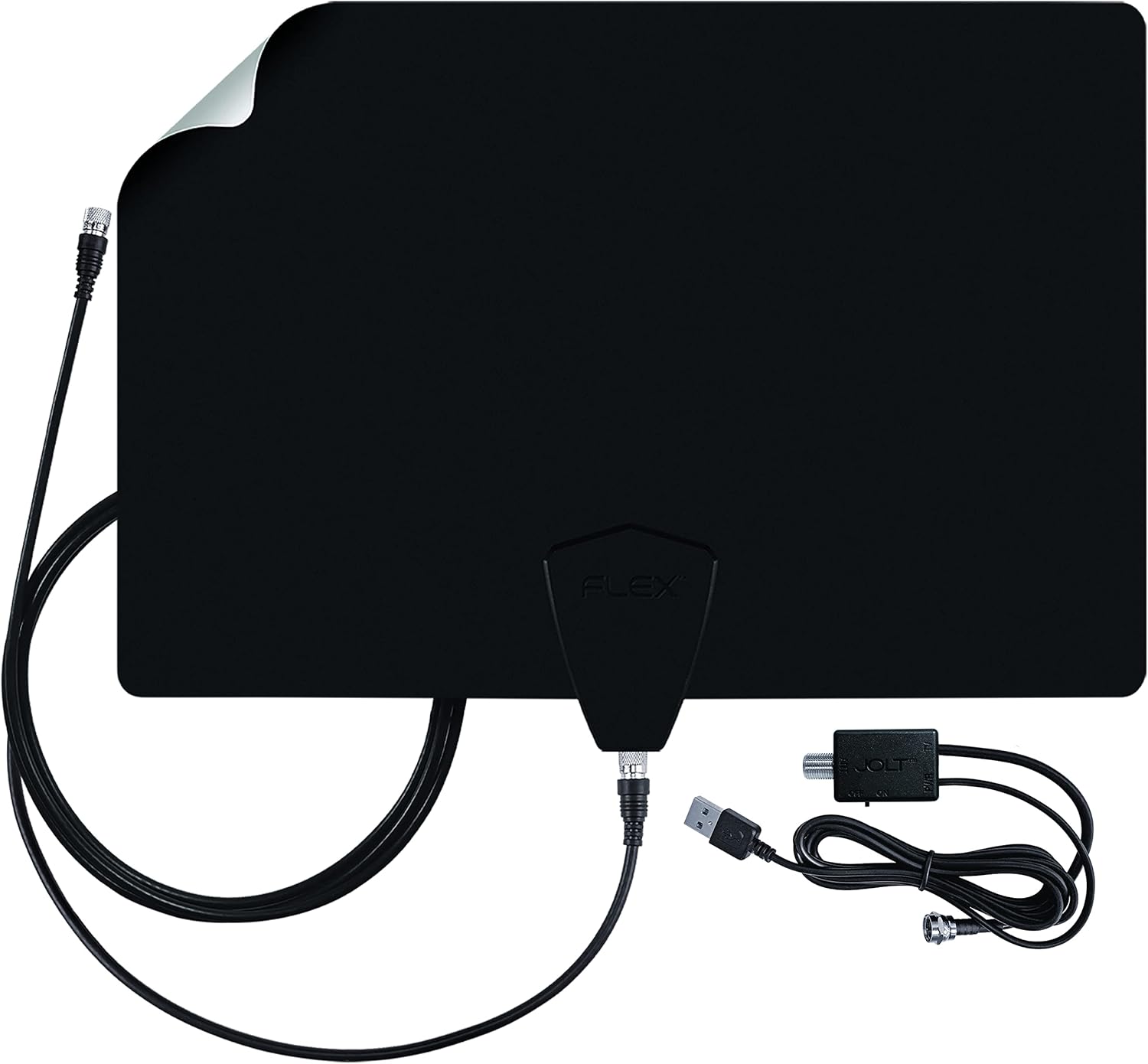
Indoor antenna
Antennas Direct ClearStream Flex Indoor TV Antenna
Best for: Indoor / apartment setups with stronger local signal
Advantage: A logical first antenna option when local reception conditions are favorable.
Limitation: Indoor reception can vary by building materials, placement and local signal conditions.
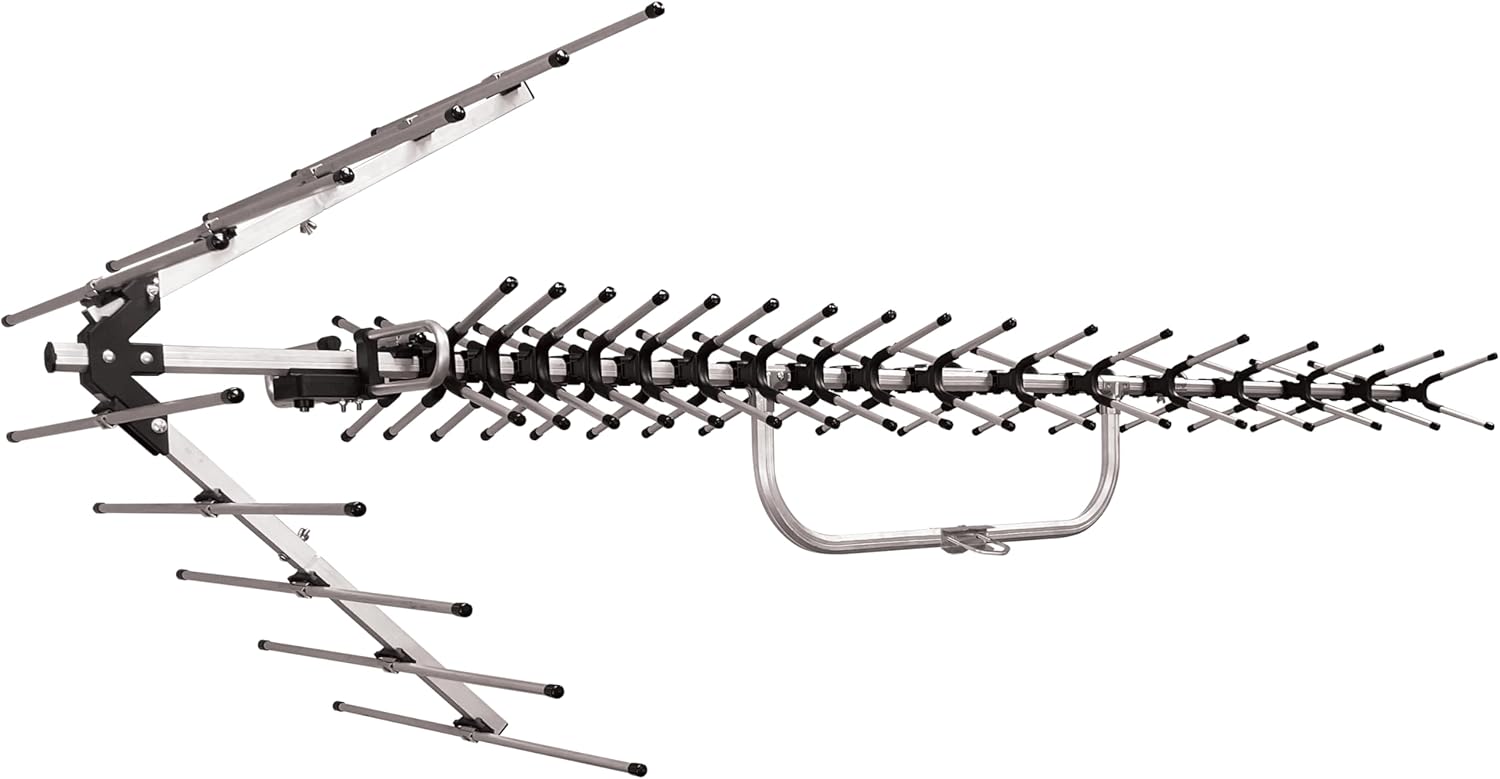
Outdoor antenna
Antennas Direct Goliath Outdoor Antenna
Best for: Homes that may need a stronger outdoor option
Advantage: May help when indoor reception is weak; some homeowners mount outdoor-style antennas outdoors or, in some cases, in an attic.
Limitation: Installation can be more involved, reception is still location-specific, and attic placement may be affected by roofing materials, insulation, and other obstructions.
Reception varies by location, terrain, building materials, antenna placement, and local broadcast signals. Choose equipment only after reviewing estimates and the placement options in your home.